What is the Current Phase of the Moon as an Emoji?
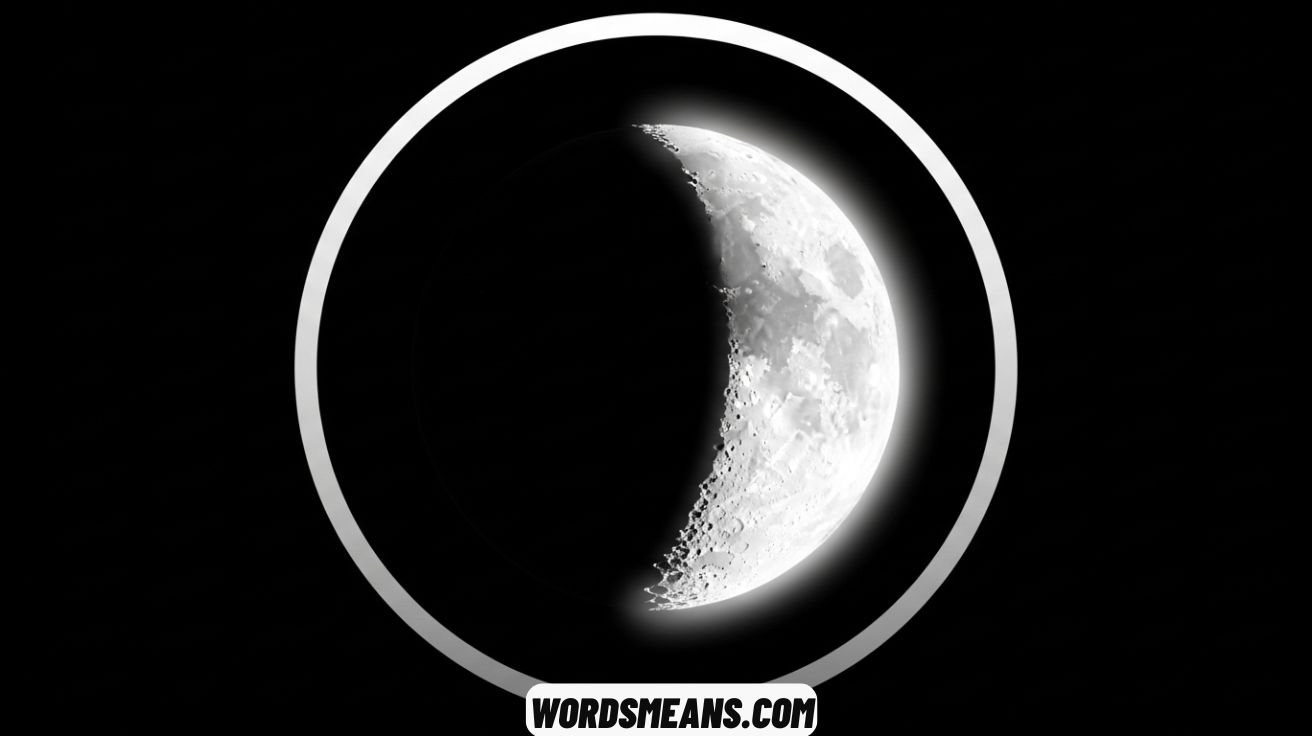
The Current Phase of the Moon as an Emoji is a simple symbol that shows the moon at different stages. Each emoji shows a part of the moon cycle, like the new moon 🌑 or full moon 🌕. People use these emojis to show the moon in messages and posts.
Have you ever wanted to show the moon in your chat or post? Using a moon emoji 🌕 is fun and easy. It makes your messages look lively. Many people love sharing the moon in photos or messages.
The Current Phase of the Moon as an Emoji helps match the real moon in the sky. Apps can show the moon’s shape, and you can pick the right emoji. Using the correct emoji makes posts more accurate and meaningful.
Understanding Moon Emojis: More Than Just Cute Icons
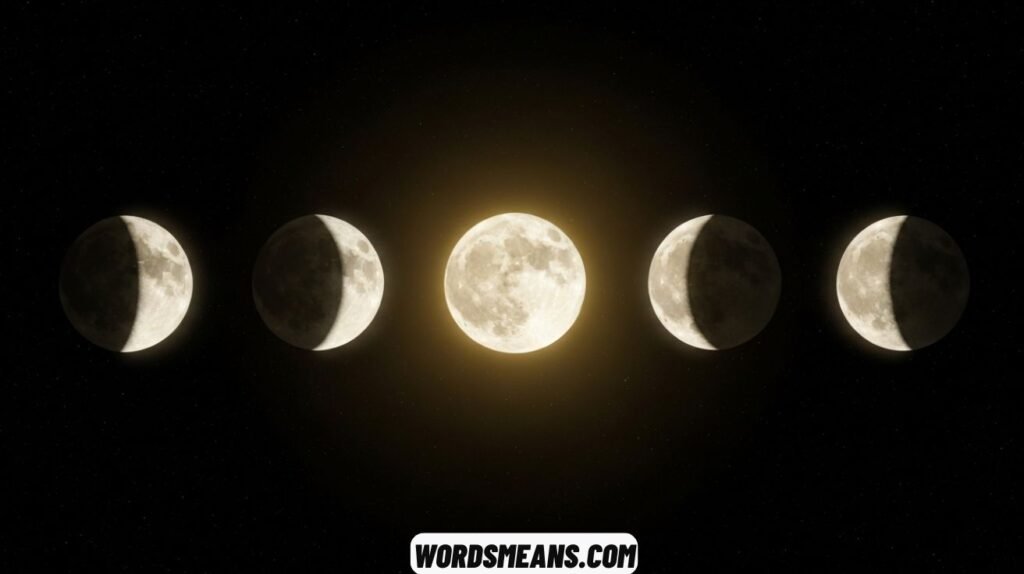
There are eight main Unicode emojis that represent the stages of the moon cycle. Each one is carefully designed to reflect a lunar calendar phase, from the invisible new moon 🌑 to the fully illuminated full moon emoji 🌕. These are:
- 🌑 New Moon – represents the start of the lunar cycle and new beginnings.
- 🌒 Waxing Crescent Emoji – the first sliver of light appearing on the right side.
- 🌓 First Quarter Moon – half the moon illuminated, symbolizing growth and decision-making.
- 🌔 Waxing Gibbous 🌔 – mostly illuminated and growing toward a full moon.
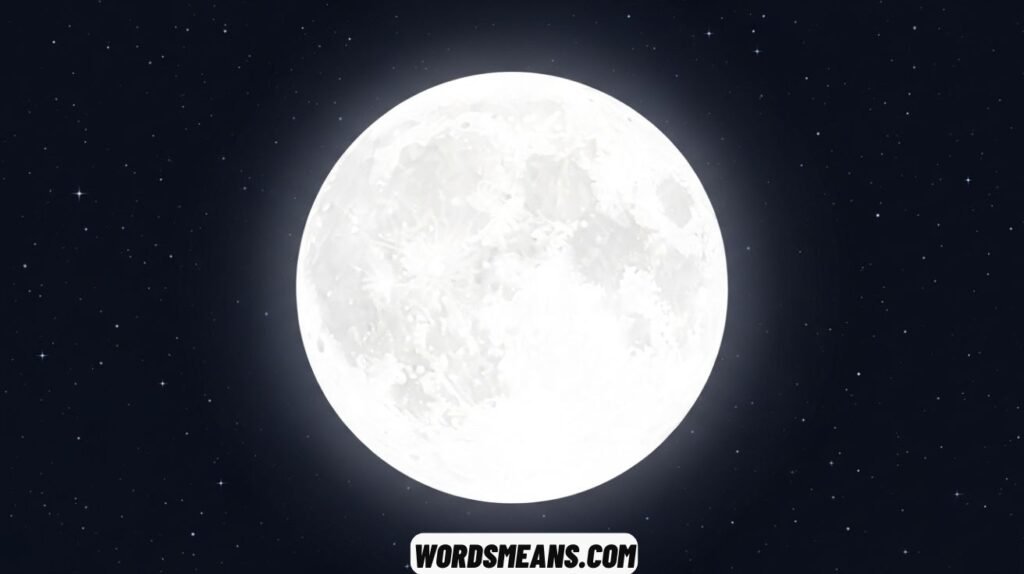
- 🌕 Full Moon Emoji – fully illuminated, often associated with completion, celebration, and peak energy.
- 🌖 Waning Gibbous Emoji – starting to shrink, signaling reflection and gratitude.
- 🌗 Last Quarter Moon 🌓 – half illuminated on the left, representing letting go or reassessment.
- 🌘 Waning Crescent 🌘 – the final sliver before the new moon, perfect for introspection and release.
Even though these emojis look accurate, they are static symbols. Unlike apps or websites that provide a real-time moon phase, moon emojis 🌕 do not update automatically. They are designed as **visual shorthand for moon tracking and lunar rituals and intentions, rather than precise astronomical instruments.
Do Moon Emojis Match the Real Moon Phase?
The short answer is no. While moon emojis 🌕 are based on the actual stages of the moon, they do not dynamically reflect the lunar phase today. When you type a full moon emoji 🌕, it does not mean the moon outside your window is truly full. These symbols are more about symbolism and communication than live tracking.
For example, if you post a waxing crescent emoji during a waning moon, the message you convey may feel inconsistent to those who follow the moon’s cycle for astrology and moon phases or lunar rituals and intentions. Many social media users and wellness communities rely on accurate moon emoji meanings to align posts with natural cycles, and using the wrong emoji can dilute the intended effect.
Real-Time Moon Phases: How to Check the Actual Lunar Phase
If you want to match the current moon phase with the correct emoji, you need tools that provide real-time moon phase data. Some of the best options include:
- Time and Date – This website offers precise lunar phase information for any city in the USA, including percentage illumination and direction of waxing or waning.
- NASA’s Scientific Visualization Studio – Provides high-quality lunar animations that allow users to see the moon’s progression in real-time.
- Moon Phase Calendar App – A mobile-friendly app that shows moon tracking, forecasts future phases, and helps match emojis to actual lunar conditions.
These tools calculate the moon’s illumination, position, and phase scientifically. Unlike Unicode emojis, which are static, they allow you to align your posts with the real sky. Understanding how to use a moon phases app is essential for anyone who wants their digital communication to reflect the real world accurately.
Why This Matters More Than You Think
At first, the correct moon emoji 🌕 may seem trivial. However, for social media branding, astrology content, or educational posts, accuracy matters. For instance, if you use a waxing crescent emoji to signal growth during a waning crescent 🌘 phase, your audience might interpret the post incorrectly.
Correct usage shows respect for celestial syncing and lunar rituals and intentions, enhancing the sincerity of your communication. Furthermore, it demonstrates attention to detail, which can make your content stand out in crowded digital spaces. Aligning emojis with the actual lunar calendar is a subtle yet powerful way to connect with the rhythms of nature.
Expert Insight
Dr. Emily Levesque, an astrophysicist and author of The Last Stargazers, says, “We live in a world where the night sky is often forgotten. Any effort to reconnect—even through emojis—can be meaningful if it’s intentional.”
Her insight underscores how a simple moon emoji 🌕 can serve as a bridge between digital communication and our natural environment. When used with awareness of the current moon phase, emojis become more than cute icons—they become cultural tools that reinforce our connection to the cosmos.
See Also : 220+ Best Roasts to Say to Short People
How to Match the Current Moon Phase to the Right Emoji
Matching the current moon phase to the correct emoji is straightforward once you know what to look for. First, check the moon’s illumination using a moon phase tracker or a moon phases app. Note whether the moon is waxing (growing) or waning (shrinking).
Next, select the emoji that visually reflects that illumination and phase. For example, if the moon is 60% illuminated and growing, use the waxing gibbous 🌔 emoji. If it’s shrinking and only a thin sliver is visible, the waning crescent 🌘 emoji is appropriate.
This method ensures that your posts, captions, or ritual reminders are in harmony with the lunar calendar and the real sky, adding credibility and meaning to your content.
Emoji Use in Astrology and Rituals
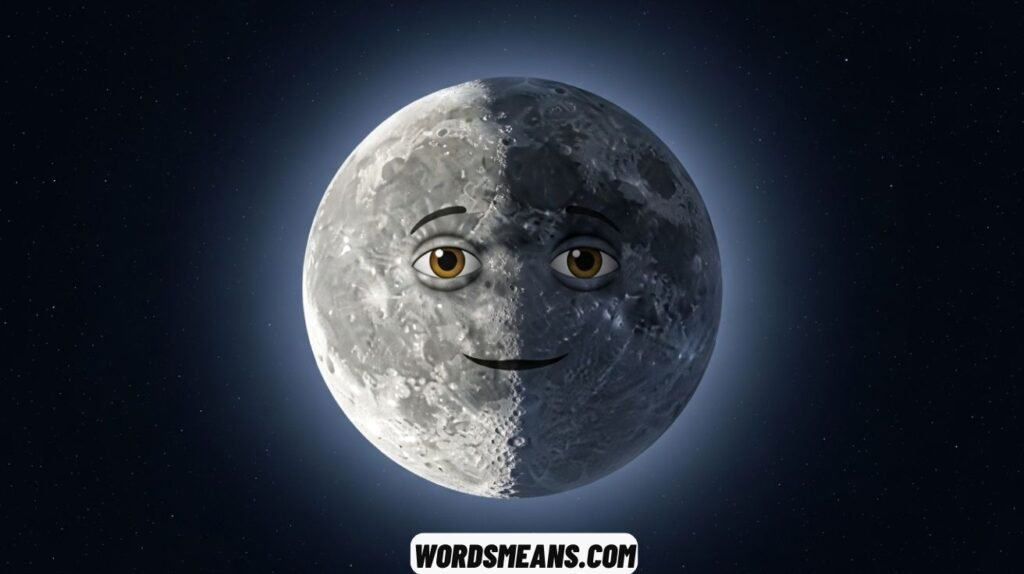
In astrology, each moon phase holds unique energy, and using the correct emoji can reinforce its symbolism. The new moon 🌑 represents fresh beginnings and planting intentions, while the full moon emoji 🌕 is about completion, illumination, and celebration. The last quarter moon 🌗 signifies reflection and release, and the waning crescent 🌘 encourages letting go and preparing for renewal.
Astrology enthusiasts and wellness communities often use these emojis in posts to align with lunar rituals and intentions. Using the wrong emoji can confuse followers or dilute the energy intended for a particular lunar phase. Therefore, knowing moon emoji meanings is not just fun—it’s meaningful
Moon Emojis and Platform Differences
Not all moon emojis 🌕 look the same across platforms. Apple, Android, and Twitter each render them differently, sometimes making a waxing gibbous 🌔 look almost full on one device or a first quarter moon 🌓 slightly off on another.
For consistent communication, especially in social media posts, it’s essential to double-check how your emojis appear across devices. Avoid combining similar-looking moons in a single message to prevent confusion, and remember that Unicode emojis serve as a universal reference but can vary visually.
How the Moon Influences Our Daily Lives
The moon has a subtle yet powerful impact on our daily lives. From sleep cycles to emotional rhythms, understanding the current moon phase can provide insight into our behavior and moods. Many cultures have relied on lunar calendars for centuries to plan important events and rituals.
Tracking the moon can help improve mindfulness and awareness. Using a moon phases app or observing the moon emoji 🌕 alongside the real sky allows you to connect digital tools with natural cycles. Even casual observation can enhance your appreciation for night sky observation and celestial patterns.
The Magic of Waxing and Waning Moons
A waxing crescent emoji 🌒 symbolizes growth and opportunity, while a waning gibbous emoji 🌖 reflects reflection and release. Knowing whether the moon is waxing or waning helps align actions and intentions with natural energy flows. This knowledge is especially useful in astrology and moon phases practices.
People often plan lunar rituals and intentions around these phases. A moon phase tracker can guide you, whether you’re planting seeds during a new moon 🌑 or completing projects at the full moon emoji 🌕. Synchronizing with the moon helps cultivate awareness and purposeful living.
Why Moon Emojis Are More Than Cute Symbols
Moon emojis 🌕 are part of the Unicode emojis standard, making them accessible across platforms. Each emoji represents a specific stage in the lunar calendar, from new moon 🌑 to waning crescent 🌘. They act as a visual shorthand for communicating time, intention, and celestial patterns digitally.
While they are static, emojis can enhance content and conversations. Using the correct emoji adds meaning, whether in social media posts, astrology discussions, or night sky observation notes. Moon emoji meanings can even support lunar rituals and intentions, helping people stay connected to the moon’s energy.
See Also : Best Reply to SUP and Its Meaning
Tracking the Real Moon Phase Today
To accurately reflect the current moon phase, it’s important to use tools like moon phase apps or websites. These platforms calculate illumination and direction, allowing users to match emojis with the real lunar cycle. Real-time tracking provides precise insight into the lunar calendar.
Daily moon tracking can also enhance wellness routines and mindfulness practices. Observing how the first quarter moon 🌓 or waxing gibbous 🌔 affects energy can guide intention-setting. Integrating these tools with moon emojis 🌕 makes your posts or personal reflections more aligned with nature.
Using Moon Phases in Astrology and Rituals
Astrology assigns specific energy to each moon phase. For instance, a new moon 🌑 symbolizes fresh beginnings, while a full moon emoji 🌕 represents completion and illumination. Aligning activities with the moon’s cycle supports lunar rituals and intentions.
Using accurate emojis adds authenticity to posts or journaling. A last quarter moon 🌗 encourages reflection and release, while a waning crescent 🌘 signals preparation for renewal. Understanding moon emoji meanings ensures digital symbols match the energy of real-world moon tracking.
The Science Behind Moon Phases
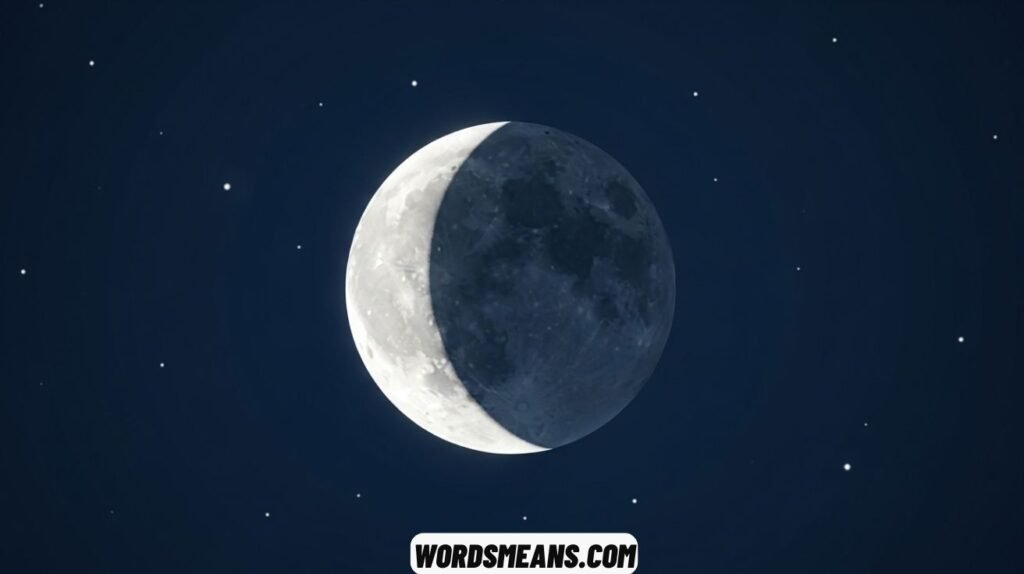
The moon’s phases occur due to its position relative to the Earth and Sun. As it orbits, the visible portion of the moon changes, producing phases like waxing crescent 🌒, first quarter 🌓, and full moon emoji 🌕. This astronomical rhythm is the basis of the lunar calendar.
Observing these phases helps with night sky observation and awareness of celestial events. Apps and trackers provide real-time moon phase data, letting users compare their moon emojis 🌕 with actual lunar illumination, blending science with digital communication.
The Role of Emojis in Digital Celestial Communication
Emojis are now essential for expressing concepts digitally. Moon emojis 🌕 allow people to visually communicate the current moon phase without lengthy explanations. Platforms like social media and messaging apps rely on Unicode emojis to ensure cross-device consistency.
Although static, using emojis thoughtfully enhances celestial syncing. Matching the emoji to the real lunar phase creates authenticity in astrology posts, lunar rituals and intentions, or casual night sky observation notes. Accurate emoji usage bridges digital and natural worlds.
Common Mistakes When Using Moon Emojis
Many people use moon emojis 🌕 without checking the real lunar phase today. Posting a waxing crescent emoji 🌒 during a waning moon can confuse followers and weaken the intended message. Misalignment impacts astrology and moon phases interpretations.
Another mistake is ignoring platform differences. Apple, Android, and Twitter render emojis differently, so what looks like a waxing gibbous 🌔 may appear almost full elsewhere. Double-checking emojis ensures clear communication while maintaining moon tracking accuracy.
Integrating Moon Phases into Daily Life
Following the moon’s cycle can improve mindfulness, energy management, and productivity. Observing phases like new moon 🌑 for planning or full moon emoji 🌕 for closure enhances daily routines. Apps and trackers help maintain alignment with lunar rituals and intentions.
Additionally, incorporating moon emojis 🌕 into digital notes, social media posts, or journals reinforces this connection. Combining digital tools with night sky observation promotes awareness of celestial rhythms, enhancing both personal growth and creative expression.
See Also : How to Respond to WSG : 150+ Clever, Flirty, and Funny Replies
Future of Moon Tracking and Emojis
Technological advancements may soon allow dynamic moon emojis 🌕 that reflect the current moon phase automatically. Apps already provide notifications and visual tracking, bridging moon tracking with digital communication.
Until then, combining traditional lunar calendars, moon phase apps, and emojis ensures accurate reflection of the moon. Conscious use of moon emoji meanings, along with waxing crescent emoji 🌒 or waning gibbous emoji 🌖, supports celestial syncing and mindful engagement with the night sky.
FAQs
What does 🌒 mean?
🌒 Waxing Crescent Moon Emoji represents growth, new beginnings, and the early phase after a new moon 🌑.
What is the current phase of the moon?
The current phase of the moon changes daily; check a moon phase app for accurate, real-time information.
What is the 🌕?
🌕 Full Moon Emoji shows the fully illuminated moon, symbolizing completion, celebration, and peak energy.
What is the meaning of 🌕?
The meaning of 🌕 is full illumination, clarity, and culmination in lunar cycles and astrology.
What emoji is 🌕?
🌕 is the Full Moon Emoji, part of the Unicode emojis standard recognized across all platforms.
What is the 🍡 emoji called?
🍡 is called the Dango Emoji, a traditional Japanese sweet dumpling served on a skewer.
Conclusion
The Current Phase of the Moon as an Emoji helps people show the moon in a simple way. Each emoji shows a part of the moon’s cycle, like the new moon 🌑 or full moon 🌕. Using the correct emoji helps posts and messages match the real moon. Apps and trackers make it easy to find the right moon phase and match it with the emoji.
Learning about the Current Phase of the Moon as an Emoji also teaches us about the real moon. We can see how it grows, shrinks, and changes each day. Matching the emoji with the real moon helps in lunar rituals and intentions and makes learning fun. It connects technology with nature and helps everyone understand the moon better.