
How Traditional Games Still Influence Modern Digital Entertainment
The gaming industry is constantly innovating and introducing new types of game mechanics, technologies, and visual effects. However, many of the best games on the market today are based on concepts that have their roots in past generations. Both traditional board and card games, as well as local folk games, have helped define modern entertainment, underscoring that great gameplay is rooted in timeless truths, not just the latest technologies.
Developers keep returning to tried-and-true ideas because they know what keeps players engaged for years to come. Straightforward goals, simple rules, and social interaction are qualities that continue to attract players today. These three elements remain just as appealing today as they have been for generations. Digital platforms are simply another means of bringing these familiar concepts to life, allowing them to be enjoyed by people around the world.
Why Classic Games Continue to Matter
Before the rise of social media and video chats, friends and relatives would gather to play games that required only a few items, a basic set of rules, and a desire to compete or cooperate. The competitive spirit in these games clearly did not detract from the social aspects of such leisure activities, which in other ways helped bring the community together and fostered tactical thinking.
Many traditional games have survived precisely because of their accessibility and the nuances they manage to preserve. These games are simple enough for new players to quickly join in, while at the same time creating fresh tactical possibilities for experienced players as time goes on.
Instead of disappearing, they are gradually finding new audiences in digital form. Developers typically preserve the core gameplay mechanics and add modern graphics, improved interfaces, and sometimes even online multiplayer modes, bringing classic gameplay to modern audiences.
From Local Traditions to Global Audiences
One of the most interesting current trends in the gaming world is a renewed interest in regional games that were previously known only within certain circles. Thanks to online platforms that bring together players from around the world, traditional games are now being played by people who might otherwise never have had the opportunity to try them.
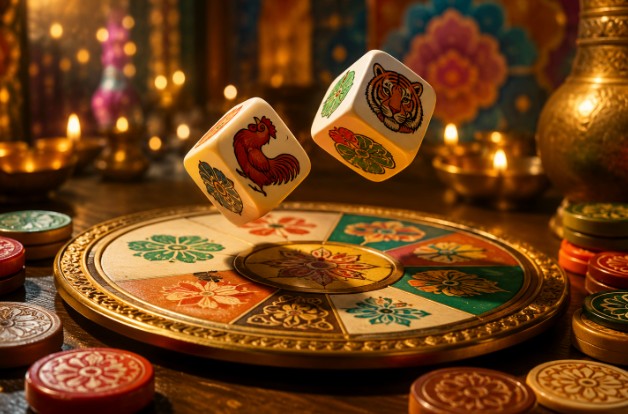
Take, for example, jhandi munda — a popular dice game originating from the Indian subcontinent. Its simple rules and social aspect demonstrate that traditional forms of entertainment can remain engaging even in a digital format. Rather than replacing the original experience, online versions allow a new wave of players to discover the game while preserving many of the elements that have made it a favorite among local communities for generations.
The renewed interest in this type of gameplay reflects broader trends in the video game industry.
The Power of Themes and Storytelling
Gameplay remains the foundation of any successful game, but presentation also plays an important role in keeping players engaged. A set of familiar mechanics can feel completely new when presented in a unique setting or art style.
Adventure themes, ancient civilizations, mythology, wilderness, and fantastical forests — all of these demonstrate just how strongly presentation influences the overall gaming experience. Developers meticulously craft landscapes, animations, and soundtracks to build unforgettable worlds that inspire players to explore further.
Surprisingly, these themes often draw inspiration from cultural narratives and historical traditions rather than being entirely fictional. Folklore, legends, and local iconography are common elements in modern games, as they provide familiar storylines that motivate players to explore them.
How Inspiration Travels Across Different Genres
The boundaries between game genres have become more blurred. Concepts from one type of game often spill over into another, blending in ways that frequently lead to new ideas and attract a wider audience. For example, progression systems from RPGs are now appearing in puzzle games. Competitive leaderboards have become much more widespread than just in multiplayer shooters, and can even be found in strategy games, simulators, and casual games (not to mention game worlds inspired by adventure games). This constant cross-pollination of ideas fosters innovation without requiring developers to completely reinvent every game mechanic from scratch.
The same applies to visual themes. Nature-inspired settings remain popular because they can be relaxing and serene, yet at the same time inspire a multitude of story ideas. Forests, secret temples, mountains, and mythical beasts are an integral part of many gaming experiences, and they remain popular precisely because they naturally encourage play.
Players interested in seeing how this type of thematic design is applied in a modern title can explore the following example: https://indian.1xbet.com/en/slots/game/136481/forest-arrow
Its forest-themed setting demonstrates how environmental ideas can be visually integrated into familiar gameplay and how unique graphics and themes can be used to tell a story. Although every game offers a unique gaming experience, a clearly defined visual identity can make a game more memorable and engaging.
Why Cultural Inspiration Benefits the Industry
Borrowing elements from other cultures can be beneficial for both developers and players. For creators, it’s a source of ideas that’s nearly inexhaustible — or, at the very least, far more interesting than some of the usual fantasy worlds or science fiction settings. Classic games, historical traditions, mythology, and national artistic styles can offer innovative ideas that lead to entirely new gaming experiences.
For gamers, these sources of inspiration mean more diverse and educational games. While entertainment remains the top priority, such informal encounters with other cultures sometimes spark an interest in different parts of the world and local customs.
This exchange reflects the growing globalization of the digital entertainment industry. Games created in one country can now find enthusiastic audiences around the world.
Respectful adaptation is key to this process. When developers thoroughly research and thoughtfully portray cultures, players experience content that not only feels authentic but also highlights the uniqueness of its source of inspiration.
Looking Ahead
Traditional games demonstrate that complex mechanics aren’t necessary for success and entertainment. Sometimes, a clearly defined goal, meaningful choices, and opportunities for interaction are all it takes to create a game that will remain enjoyable for years.
As developers increasingly draw inspiration from the cultures and traditions of different countries throughout history, players can look forward to even more unique experiences in the coming years. Regional games can now reach a global audience thanks to digital platforms, while also creating entirely new genres and creative possibilities.
As a result, tradition and innovation are more closely intertwined than ever before. Rather than competing with one another, traditional ideas and modern technology work together to ensure that timeless concepts remain relevant for future generations of players around the world.