How Long Can a Plumbing Problem Actually Wait?
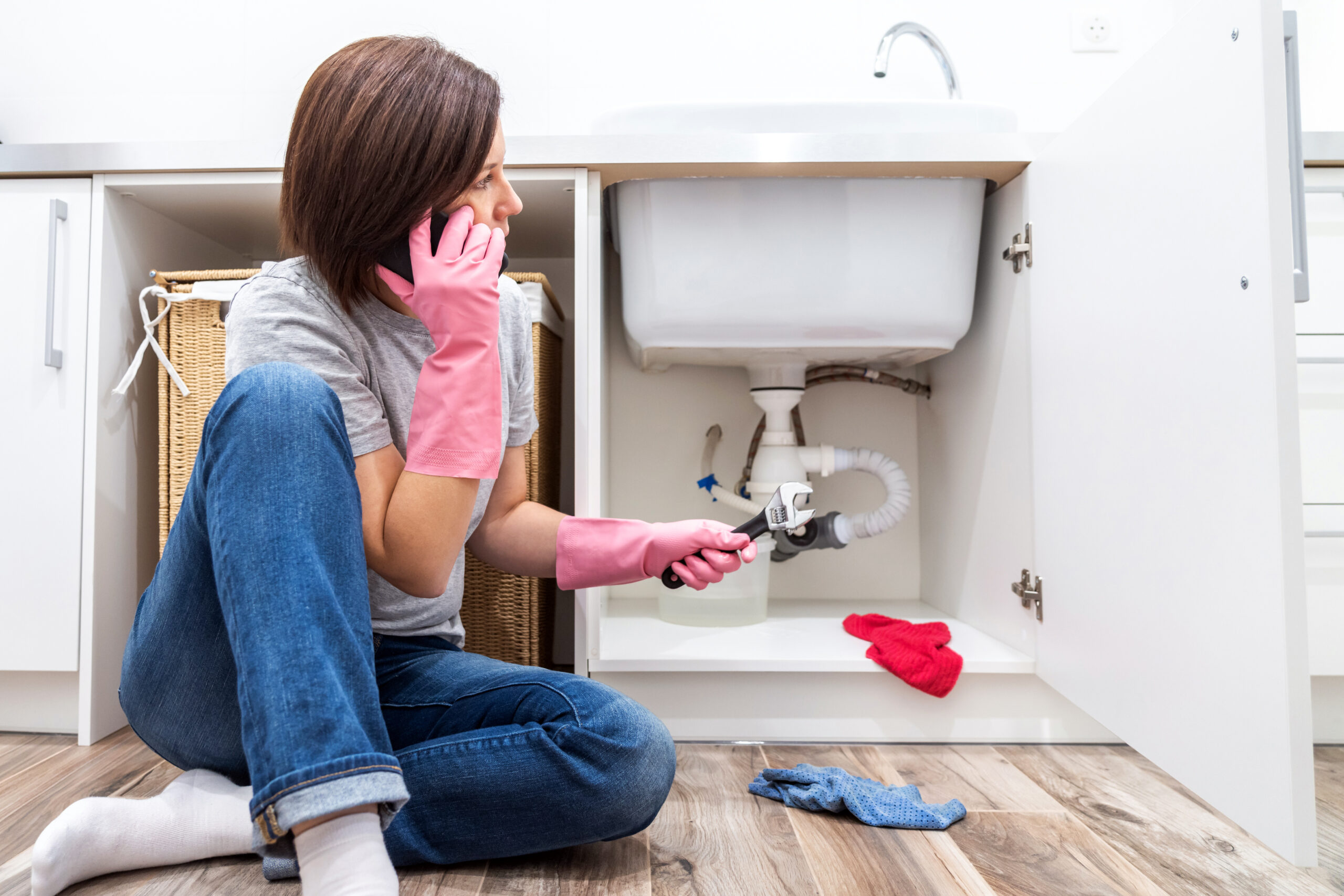
That slow drip under your kitchen sink has been there for three weeks. You’ve put a towel under it. You’ve thought about calling someone twice. Sound familiar? Most homeowners treat minor plumbing problems like a low-priority task on an ever-growing to-do list, and that habit quietly turns a $200 fix into a $900 one.
This guide breaks down exactly which plumbing issues can wait a few days, which ones cannot wait at all, and how to make that call without guessing. By the end, you’ll have a clear framework for every drip, clog, and mysterious puddle you’re ever going to face.
The Hidden Price Tag on “I’ll Deal With It Later”
Here’s a number that should change how you think about that towel under the sink. A 2026 SupplyHouse survey of 1,001 U.S. homeowners found that when people acted within a week of noticing a plumbing problem, their average repair cost was $380. Push that same repair past the six-month mark, and the bill more than doubled to an average of $868. That data, reported by Yahoo Finance in June 2026, doesn’t even factor in higher water bills or the cost of failed DIY attempts along the way.
The math is blunt. Waiting is rarely free, and it’s almost never cheaper.
What makes this worse is the water itself. According to the U.S. EPA’s WaterSense program, the average household’s leaks account for more than 9,300 gallons of water wasted every year, with nine percent of homes leaking 50 gallons or more per day. Most of that waste comes from fixtures people know are leaking but haven’t fixed. That’s not a theoretical problem. That’s money draining out of your pipes every morning while you make coffee.
The Wait or Call Decision Matrix
Not every plumbing situation requires the same urgency, and treating them all the same way creates bad decisions in both directions. Call too fast on minor issues and you’re paying emergency rates for something that could have waited until Tuesday. Wait too long on serious ones and you’re looking at structural damage. The framework below, which I call the Wait or Call Decision Matrix, sorts issues into three lanes.
| Plumbing Issue | Lane | Suggested Window | Why
|
|---|---|---|---|
| Burst pipe or major water line break | Call Now | Immediately | Water spreads fast; structural damage begins within hours |
| Sewage backup or overflow | Call Now | Immediately | Health risk; can worsen rapidly and affect neighboring fixtures |
| No hot water | Call Today | Within 24 hours | Could indicate a failed heater or gas issue depending on your system |
| Running toilet | Call Soon | Within 1 week | Silent leak wastes thousands of gallons; raises your water bill steadily |
| Slow drain (single fixture) | Schedule | Within 2 weeks | Usually a localized clog; low urgency unless it worsens |
| Dripping faucet | Schedule | Within 2 weeks | Small waste now, bigger wear on fixtures over time |
| Low water pressure (whole house) | Call Soon | Within 3 to 5 days | Could signal a hidden leak or a failing pressure regulator |
The single most useful question when you’re unsure: if this gets 20 percent worse overnight, what does my morning look like? A slow drain getting slightly slower costs you nothing. A burst pipe getting worse while you sleep costs you everything.
What “Fast” Actually Looks Like on a Monday Morning
Picture this. It’s 7:15 a.m. on a Monday. You walk into your laundry room and find the floor is wet. Not damp, wet. Your washing machine supply line failed overnight. You have no idea when it started. You grab towels, you panic a little, and then the real question hits you: who do I even call?
This is exactly where having a number already saved matters more than any amount of research done in that moment. According to a 2025 report from the Insurance Information Institute, water damage and freezing accounted for 22.6% of all home insurance claims, remaining the second-most common cause of property damage claims annually. Over the five-year period from 2019 through 2023, one in every 67 insured homeowners filed a water damage or freezing claim each year, with an average claim amount of $15,400. Those numbers come from This Old House’s analysis of the Triple-I data, and they make one thing obvious: this happens to real people, often, and the financial stakes are serious.
In that Monday morning scenario, the homeowner who already knows who to call gets water shut off and a technician on-site within an hour. The homeowner who starts searching from scratch during the panic? They’re making decisions under pressure, often landing on whoever answered first rather than whoever was actually qualified. That’s how preventable damage becomes expensive damage.
“The homeowners who fare best call a pro fast.” This is the throughline of nearly every water damage data study: speed of response, more than any other single factor, determines how large the final repair bill grows.
Building your short list of reliable and fast plumbers before you have an emergency is one of the few home-preparedness moves that costs you nothing in advance and saves you real money when it counts.
Four Things to Check Before You Call Anyone
When a plumbing problem shows up, these four steps take under ten minutes and give a technician much better information to work with, which usually means a faster diagnosis and a more accurate quote.
- Locate your main shutoff valve. Know where it is before you need it. In most homes it’s near the water meter, typically in the basement, garage, or a utility closet. If you can’t find it in the next two minutes, add it to your weekend list.
- Check your water meter. Turn off every fixture and appliance, then watch the meter dial for two minutes. If it moves, you have an active leak somewhere, even if you can’t see it yet.
- Document the symptom. A short video on your phone showing where the water is coming from, how fast it’s dripping, and what fixtures are affected helps a plumber triage the job over the phone and arrive with the right parts.
- Note when it started. Duration matters for diagnosing a slow leak. “It’s been dripping for three weeks” is useful information. “I noticed it this morning” is different. The timeline affects both the repair approach and your insurance documentation.
The One Mistake That Makes Every Repair More Expensive
Waiting is the obvious mistake. But there’s a subtler one that costs just as much: the DIY attempt that fails.
The temptation is understandable. You watch a four-minute YouTube video, you buy a part at the hardware store, you spend a Saturday afternoon convinced you’re about to save $300. Sometimes it works. But according to the same SupplyHouse survey, 71% of homeowners tried a DIY fix before calling a pro, and 51% of those attempts either didn’t resolve the issue or made it worse.
That’s not an argument against ever picking up a wrench. Replacing a toilet flapper or tightening a compression fitting under a bathroom faucet? Those are completely reasonable DIY calls. But once the problem involves water pressure, pipe joints behind a wall, or anything connected to your water heater or main supply line, the risk of making it worse is genuinely high. A failed attempt also adds time to the delay, and delay is where the real cost lives.
The honest rule of thumb: if you can’t see the source of the problem clearly, and if getting it wrong means water going somewhere you don’t want it, call a pro first.
Your Short Checklist for the Next Plumbing Problem You Face
- Is water actively flowing where it shouldn’t be? If yes, shut off the main supply and call immediately.
- Is there any sewage smell or visible backup? Same answer: call now, not in the morning.
- Is the issue getting noticeably worse over 24 hours? Move it up to urgent, even if it started slow.
- Can you confirm the source of the problem clearly? If not, don’t guess, and don’t cut into walls without a professional assessment first.
- Have you already tried one fix that didn’t work? Stop there. The second attempt without a diagnosis rarely goes better.
Most plumbing problems announce themselves before they become disasters. A running toilet, a slow drain, a faucet that’s taken to dripping: these are early signals, not background noise.
The homeowners who treat them as signals, and act within a reasonable window rather than a month-long delay, spend dramatically less money and lose far fewer weekends to water damage they could have avoided. Your home is telling you something. The only real question is how long you’re going to wait before you listen.