
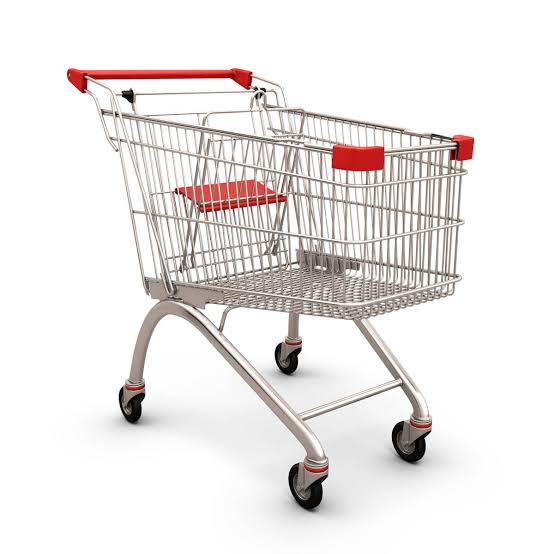
How to Choose the Right Shopping Cart Repair Parts
Shopping carts are used hundreds of times each week in busy grocery stores, supermarkets, retail centers, and warehouse environments. Over time, wheels wear down, handles loosen, child seat components break, and metal frames can become damaged. Instead of replacing an entire cart, many retailers can extend its usable life by selecting the right shopping cart repair parts.
Choosing replacement components may seem straightforward, but using an incorrect wheel, caster, handle, or hardware component can create additional maintenance problems. The right parts should match the cart model, operating environment, weight requirements, and expected daily use.
Here is what retailers and facility managers should consider before purchasing replacement parts.
Identify the Shopping Cart Manufacturer and Model
The first step in choosing shopping cart repair parts is identifying the cart manufacturer and model.
Shopping carts from different manufacturers may look similar, but their dimensions and mounting systems can vary considerably. Wheel stems, caster plates, handles, bumpers, seat belts, and hardware may not be interchangeable.
Look for identification information on the cart frame, handle area, child seat, or manufacturer label. Older carts may have faded labels, so measurements can also help determine compatibility.
Important measurements may include:
- Wheel diameter and width
- Caster stem diameter
- Mounting bolt spacing
- Handle length
- Basket dimensions
- Seat component dimensions
Taking accurate measurements before ordering parts can reduce the chance of purchasing components that will not fit properly.
Choose the Correct Shopping Cart Wheels
Wheels are among the most commonly replaced shopping cart repair parts because they experience constant contact with flooring, pavement, thresholds, and parking lots.
A worn wheel may become noisy, wobble, drag, or develop flat spots. These problems make carts harder to push and may create an unpleasant shopping experience.
Common shopping cart wheel sizes typically range from approximately 4 to 6 inches in diameter, depending on the cart design.
When choosing replacement wheels, consider the environment where the carts operate.
For indoor retail environments, quieter wheels can help reduce rolling noise on tile or polished concrete floors. Carts frequently used outdoors may require wheels made from durable materials designed to handle rough pavement, moisture, and debris.
The wheel’s load rating should also match the cart’s intended capacity.
Check the Caster Assembly
Sometimes the wheel itself is not the source of the problem. The caster assembly may be damaged or worn.
Casters allow shopping carts to turn smoothly. When a caster bearing becomes worn, rusted, or damaged, the cart may pull toward one side or become difficult to steer.
When inspecting a caster, check for:
- Excessive wobbling
- Bent mounting hardware
- Rust or corrosion
- Loose bearings
- Restricted rotation
- Damaged wheel forks
Replacing the complete caster assembly may be more practical than replacing only the wheel when several components are already worn.
Matching the correct stem or mounting plate is especially important when selecting replacement shopping cart repair parts.
Consider the Cart’s Operating Environment
Not every retail location places the same demands on shopping carts.
A cart used primarily inside a pharmacy experiences different conditions from one used at a large supermarket where customers regularly push carts through parking lots.
Outdoor exposure can introduce rain, dirt, sand, road salt, and temperature changes. These conditions can accelerate corrosion and bearing wear.
Retailers operating in humid or rainy climates may benefit from corrosion-resistant hardware and components designed for frequent outdoor exposure.
Facilities with rough parking lots may also need heavier-duty wheels and casters than stores where carts remain primarily indoors.
Inspect Handles and Plastic Components
Handles are another common maintenance area.
A cracked, loose, or damaged handle should be replaced before the problem becomes worse. Damaged handles can create sharp edges or make the cart uncomfortable to control.
Replacement handles should match the width and attachment style of the existing cart.
Other plastic shopping cart repair parts may include:
- Handle grips
- Basket corner guards
- Bumpers
- Child seat components
- Advertising panels
- End caps
UV exposure can make older plastic components brittle, particularly on carts stored outdoors. During routine inspections, employees should check for cracks, missing pieces, and loose fasteners.
Do Not Ignore Child Seat Components
Many shopping carts include child seats, seat belts, and restraint systems.
These components should receive special attention because damaged restraints can create safety concerns.
Inspect seat belts for fraying, missing buckles, damaged straps, or loose mounting hardware. Plastic child seat components should also be checked for cracks or sharp edges.
If a component is damaged, replace it with a compatible part designed for that specific cart configuration rather than attempting temporary repairs.
Compare OEM and Compatible Replacement Parts
Retailers may encounter both original equipment manufacturer parts and compatible aftermarket components.
OEM parts are manufactured specifically for certain cart models and usually provide predictable fit and compatibility.
Compatible aftermarket shopping cart repair parts may offer additional options and can sometimes reduce maintenance costs.
However, compatibility should always be verified before purchasing.
A part that appears visually similar may have different mounting dimensions, load ratings, materials, or tolerances.
For high-use components such as wheels and casters, durability and correct fit should generally be more important than choosing the lowest-priced option.
Create a Preventive Maintenance Inventory
Waiting until a cart becomes unusable can create unnecessary downtime.
Retailers with large cart fleets may benefit from keeping commonly used replacement components in stock.
A basic maintenance inventory might include spare wheels, casters, handles, bolts, nuts, washers, bumpers, and child restraint components.
For example, a retailer operating 100 or more carts may want to inspect a percentage of the fleet every month rather than waiting for customers to report problems.
Routine inspections can identify minor issues before they develop into larger repairs.
Look at the Total Cost of the Repair
Price matters, but the cheapest replacement component is not always the most economical choice.
Suppose a low-cost wheel lasts one year while a more durable option lasts three years. Even if the stronger wheel costs more initially, it could reduce labor expenses and replacement frequency over the long term.
Retailers should consider:
- Part price
- Expected lifespan
- Installation time
- Shipping costs
- Maintenance frequency
- Cart downtime
The goal should be to balance reliability, compatibility, and overall maintenance costs.
Final Thoughts
Choosing the right shopping cart repair parts starts with understanding the cart model, measuring components accurately, and considering how the cart is used every day.
Wheels, casters, handles, bumpers, hardware, and child seat components all affect how safely and smoothly a shopping cart performs. Instead of selecting replacement parts based only on price, retailers should consider compatibility, durability, load requirements, and operating conditions.
A consistent inspection and maintenance program can also extend the useful life of an entire shopping cart fleet. By replacing worn components before they cause larger problems, businesses can keep carts moving smoothly while reducing unnecessary replacement costs.
The right shopping cart repair parts ultimately help retailers protect their equipment investment, improve cart performance, and provide customers with a smoother experience from the store entrance to the parking lot.